
An introduction to the Historic Rally
The Historic Rally is much more than a simple motor race: it is a journey through time, a total immersion in the history of motorsport that every year draws enthusiasts from all over the world. This event, reaching its ninth edition in 2026, has established itself as one of the most prestigious historic rallies at international level, an unmissable fixture for anyone who loves vintage cars and the unique atmosphere that only such events can create.
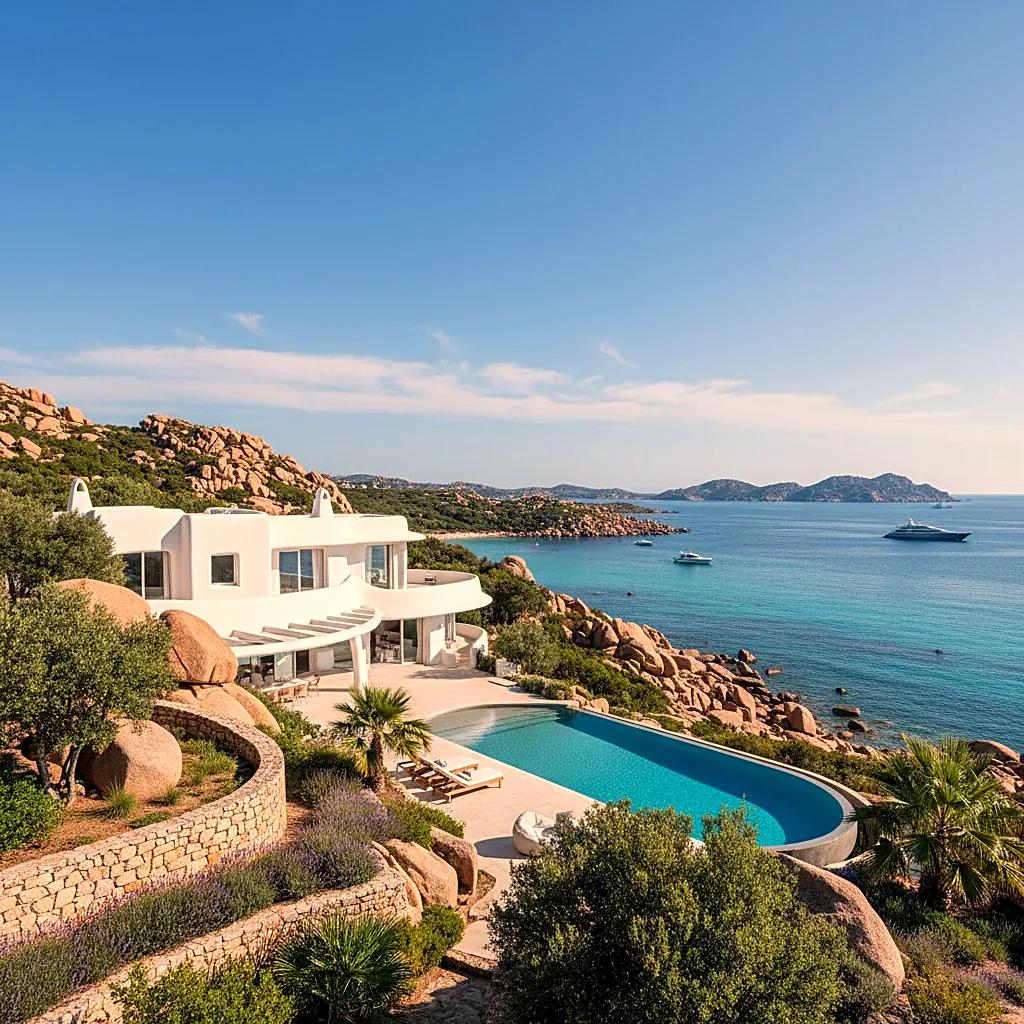
The setting chosen for this event could hardly be more evocative: Porto Cervo, the jewel of northern Sardinia, with its scenic roads winding between the crystalline sea and the Mediterranean scrub. Here, on 24 and 25 April 2026, the historic cars will roar once again, bringing a golden age of motorsport back to life. The choice of dates is no accident: April is the perfect month to enjoy the beauty of Sardinia, with mild temperatures and landscapes in full bloom, creating a dreamlike setting for drivers and spectators alike.
During the event, dedicated shuttles are often available linking the rally's main points of interest.
The importance of the Historic Rally in the world of historic rallying is beyond dispute. This is not only a sporting competition but a celebration of motoring history, an occasion to preserve and bring out the Italian and international motoring heritage. The event is organised with meticulous care, attentive to every detail in order to guarantee an authentic experience faithful to the original spirit of the competitions of the 1960s and 1970s.
The allure of the Martini Trophy
The Martini Trophy is the beating heart of the Historic Rally, a symbol that holds within it decades of history, passion and tradition in the world of motorsport. Its origin has its roots in the 1970s, when the famous drinks company began sponsoring teams and drivers in the racing world, quickly becoming an icon on the international motoring scene.
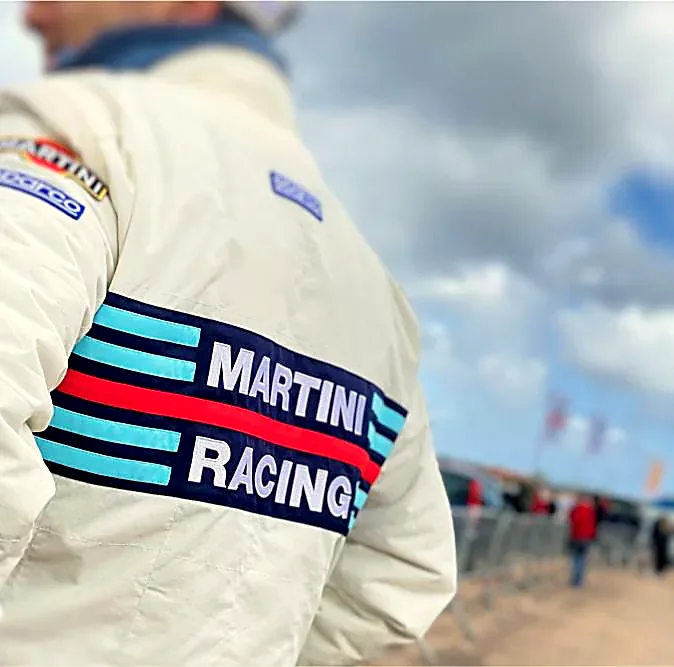
The story of the Martini Trophy is closely bound to the legendary white and blue liveries that marked cars such as the Lancia Stratos, the Porsche 935 and the BMW M1, creating an instantly recognisable style that became a byword for elegance and performance. In the context of this year's rally, the Martini Trophy takes on a particular meaning: it is not only a prize to be won but a genuine tribute to an age in which motor sport was made of pure passion, courage and style.
For those taking part in the rally, winning the Martini Trophy means entering a select circle of drivers who have written important pages in the history of motorsport. The trophy itself is a work of art, made of fine materials and with a design that recalls the elegance of the Martini liveries, becoming not only a sporting award but a collector's object of inestimable value.
The importance of the Martini Trophy for spectators lies in its ability to evoke emotion and memory. For many, seeing historic cars in Martini livery means reliving unforgettable moments, reconnecting with an age in which racing was a romantic adventure of men and machines pushing the limits on roads that were often rough and dangerous. The tradition the Martini Trophy represents goes well beyond the sporting side: it is a bridge between generations, a way of passing on to the young a passion for an authentic motorsport rich in history.
The rally experience: competition and lifestyle
The experience of the 9th Historic Rally is a perfect fusion of sporting competition and exclusive lifestyle, creating an event unique of its kind. The route, devised with meticulous care, winds through some of the most spectacular landscapes of Sardinia, offering drivers and spectators alike an unforgettable experience.
The rally route runs for around 200 kilometres of minor and gravel roads crossing Gallura, the north-eastern region of Sardinia. The features of the course include technical sections that test the drivers' skill, scenic bends overhanging the sea, and gravel roads that recall the authenticity of historic rallying. Every special stage has been devised to bring out the qualities of the vintage cars, allowing them to express their potential to the full in a setting that is safe yet thrilling.
For spectators the experience is complete and absorbing. It is not simply a matter of watching a race but of living a genuine social event. Strategic viewing points along the route make it possible to admire the cars at close quarters, to hear the roar of the historic engines and to feel the adrenaline in the air during the special stages. Many enthusiasts follow the whole rally, moving from one viewing point to another so as not to miss a single moment of the action.
The lifestyle element is an integral part of the experience. During the event, Porto Cervo and its surroundings turn into a stage of elegance and entertainment. Exclusive evenings, tastings of typical Sardinian produce, exhibitions of vintage cars and meetings with legendary drivers enrich the programme, creating an atmosphere that goes well beyond simple sporting competition. The restaurants and bars of Gallura organise themed events, while boutiques and art galleries open their doors with special initiatives for rally enthusiasts.
The drivers' experience is equally unique. Driving a historic car on these roads means entering into symbiosis with the machine, feeling every vibration, every sound, every reaction of the car in a setting that demands the greatest concentration but also the ability to enjoy the breathtaking scenery. For many participants the Historic Rally is not only a race to be won but an occasion to live a dream, to go back in time and feel the same emotions as the drivers of the 1960s and 1970s.
The cars and the protagonists, past and present
The entry list of the 9th Historic Rally is a museum in motion, with cars that have written indelible pages in the history of motorsport. Among the most iconic vintage cars to be admired during the event stand models that made the history of international rallying.
The Lancia Stratos, with its characteristic wedge shape and Ferrari V6 engine, is without doubt one of the queens of historic rallying. Winner of three consecutive world rally championships from 1974 to 1976, this car represents the excellence of Italian engineering in the 1970s. Its presence at the Historic Rally is always a special event, able to draw crowds of enthusiasts at every passage.
Other highly prestigious historic cars that regularly take part in the event include the Porsche 911 Safari, famous for its victories in African competitions, the Ford Escort RS1800, a symbol of 1970s rallying, and the Fiat 131 Abarth, which dominated the world rally championship at the end of the 1970s. Every car has its story to tell, its victories to remember, its anecdotes to share.
The legendary drivers taking part in the rally are another unmissable attraction. Among them you may meet former world champions, drivers who competed in the most prestigious events of the 1970s and 1980s, and young talents carrying on a family tradition. Many of these drivers gladly share their experiences with the public, telling stories of epic races, memorable rivalries and victories won with courage and determination.
The relationship between historic rallying and modern competition is closer than one might think. The vintage cars taking part in the Historic Rally are not mere museum "relics" but perfectly working machines that continue to prove their abilities on the road. Their participation in events such as this helps keep technical and sporting memory alive, offering valuable insight even for the development of modern rally cars.
Many modern teams follow historic rallies closely, studying the technical solutions adopted in the past and drawing inspiration for their own cars. At the same time, historic drivers carry with them a wealth of experience and knowledge that is an inestimable heritage for new generations of enthusiasts and motorsport professionals.
Frequently asked questions about the Historic Rally
How can I attend the rally as a spectator?
Watching the 9th Historic Rally is simple and open to all. The event is free for spectators along the route, with clearly marked viewing points and dedicated areas where you can park and follow the special stages safely. For up-to-date information on the recommended viewing points and the timetable of the stages, consult the event's official website or follow its social channels.
Where can I stay during the event?
Porto Cervo and Gallura offer a wide range of accommodation for every need and budget. From the luxurious five-star hotels that made the area famous to more modest bed and breakfasts and farm stays inland, the options are many. It is advisable to book well in advance, given that the event attracts visitors from all over the world. Many establishments offer special packages for rally enthusiasts, including transfers to the viewing points and early breakfasts so as not to miss the start of the stages.
How can I get to Porto Cervo?
Gallura is well connected with the rest of Italy and of Europe. The nearest airport is Olbia–northern Sardinia, about 35 kilometres from Porto Cervo, with direct flights from the main Italian and European cities. Alternatively you can arrive by sea at the ports of Olbia or Golfo Aranci, or use the Sardinian road network if travelling by car. During the event, dedicated shuttles are often available linking the rally's main points of interest.
Do I need to buy tickets to attend the event?
No, access to the viewing areas along the route is entirely free. For some side activities, however, such as the exclusive evenings, the guided tastings or the meetings with drivers, it may be necessary to book or to buy a ticket. This information is always available on the event's official website well in advance.
When is the best time to watch the rally?
The rally programme is arranged so as to offer spectacle throughout the day. The early morning is ideal for seeing the cars during scrutineering and at the start, while the middle hours of the day offer the chance to watch the most spectacular special stages. The afternoon is perfect for visiting the display park, where the cars stand between one stage and the next, allowing you to admire them at close quarters and take photographs.
What should I bring to watch the rally?
We recommend dressing comfortably and for the season, with sturdy shoes for walking on gravel ground. Do not forget sun protection, a hat, sunglasses and a bottle of water. For photography enthusiasts, a good telephoto lens can be useful for capturing the cars in motion. Many viewing points have refreshments, but bringing a few snacks can be handy.
Is the rally suitable for families with children?
Absolutely. The Historic Rally is a family-friendly event, with dedicated areas where children can come close to the world of historic cars in safety. Many side activities are designed precisely for families, including educational workshops and demonstrations suitable for the youngest.
The 9th Historic Rally is much more than a simple sporting competition: it is a unique chance to immerse yourself in the history of motorsport, to feel genuine emotion and to share a passion for vintage cars in a setting of incomparable beauty. The 2026 event promises to exceed every expectation, with a programme full of new features and surprises that will make this edition unforgettable.
Taking part in the Historic Rally means belonging to a community of enthusiasts who share the same values: respect for tradition, love of mechanics, a passion for fair competition. Whether you are a driver, a spectator or simply curious, this event will give you memories that last forever. Do not miss the chance to live this unique experience: mark 24 and 25 April 2026 in your diary and get ready to dive into the motorsport of the past, where every bend tells a story and every roar of an engine recalls a legendary age.